
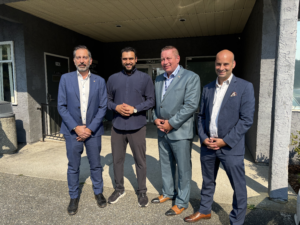
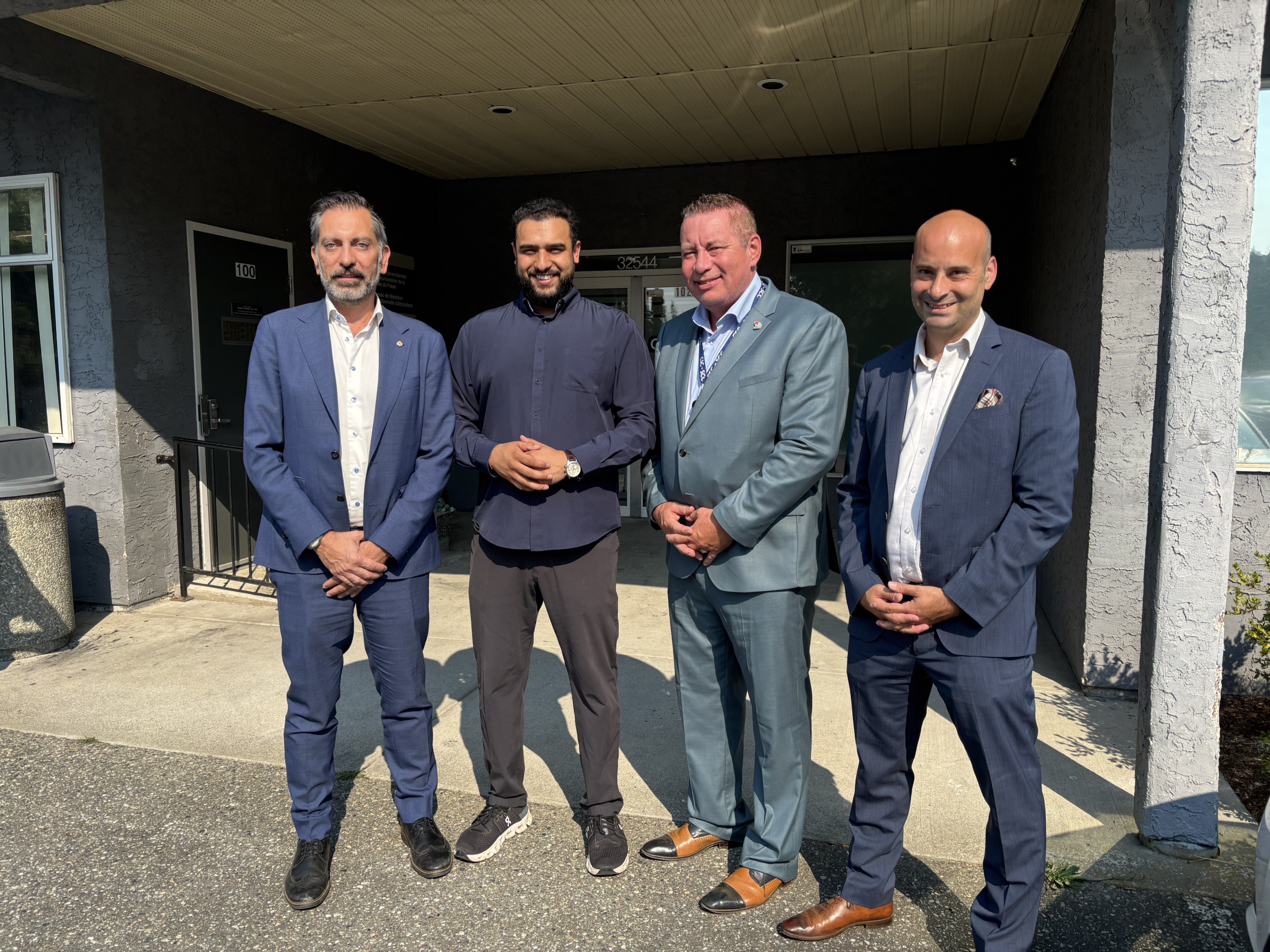
On August 24th through 26th, USJE National President David Neufeld, along with RVPs Kirsty Havard (British Columbia – Institutions) and Jeff Sandelli (CSC Community – Parole Board of Canada-West), joined Correctional Service of Canada (CSC) Commissioner Talal Dakalbab and Acting Regional Deputy Commissioner Brooke Kassen for site visits and member engagements across CSC’s Pacific Region.
Day 1: Victoria and William Head Institution
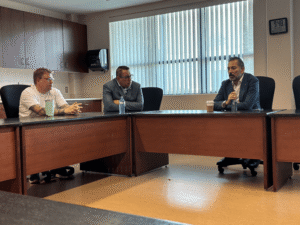
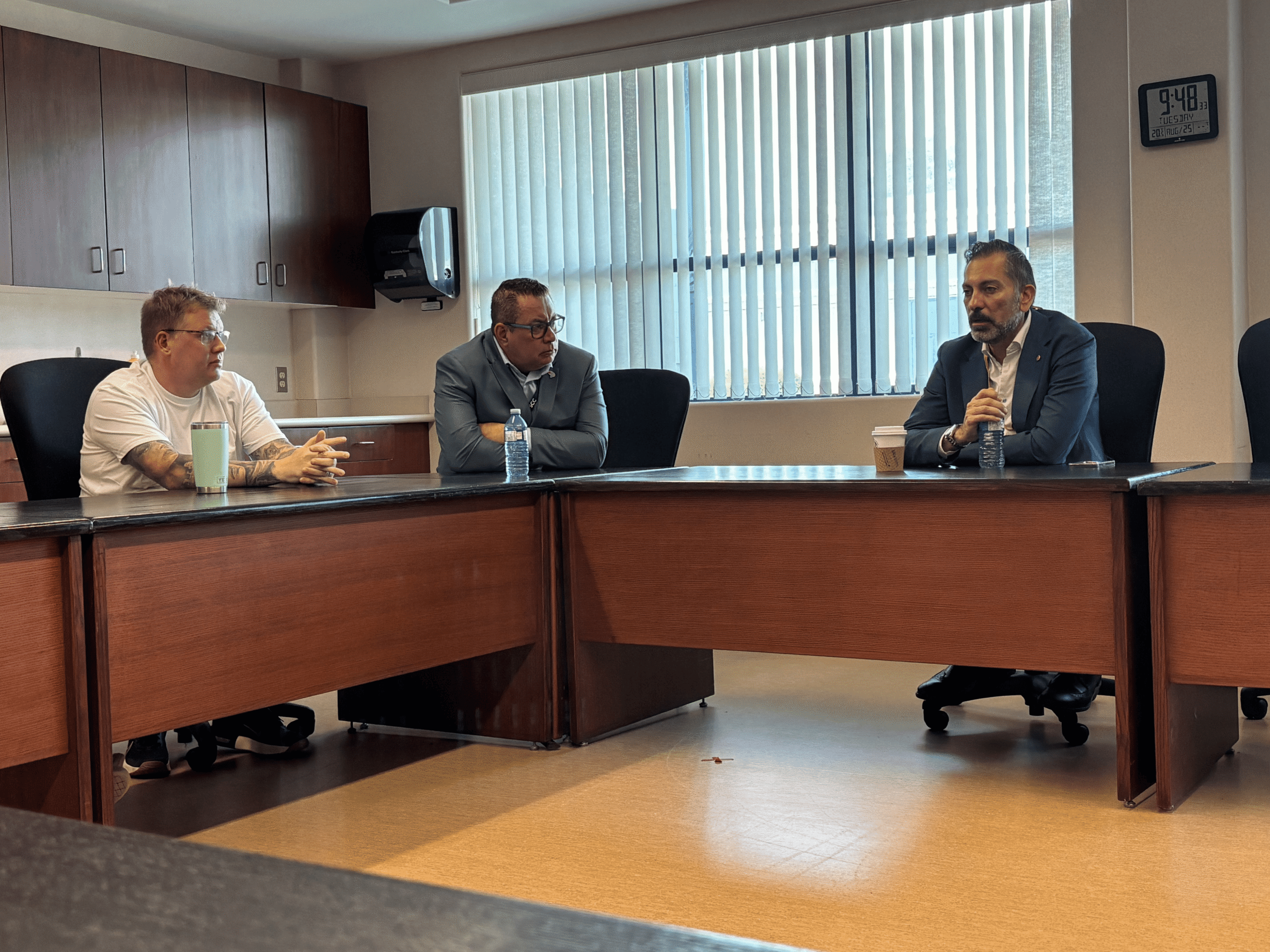
The tour began with a morning meeting at the Victoria Parole Office, attended by a diverse group of USJE members, including Local President Carolyn Sampson. Members discussed challenges supporting offender reintegration in Victoria, particularly barriers related to affordable housing and access to healthcare providers. These same pressures were also identified as obstacles to recruiting and retaining staff.
Participants provided feedback on Parole Officer Induction Training (POIT), noting a need for more community-focused content and stronger value-added components within Parole Officer Continuous Development (POCD). Consistent with previous USJE surveys, members emphasized their preference for in-person training, citing the benefits of collaboration with both community and institutional colleagues. Due to geography, many felt excluded from mainland-based training opportunities and expressed interest in increased wellness and Critical Incident Stress Management (CISM) programming.
Members also raised concerns regarding changes to Commissioner’s Directive 715 and the impact of those changes. The Commissioner acknowledged these concerns and highlighted the ongoing consultation process between CSC and USJE, noting that it is expected to result in meaningful improvements.
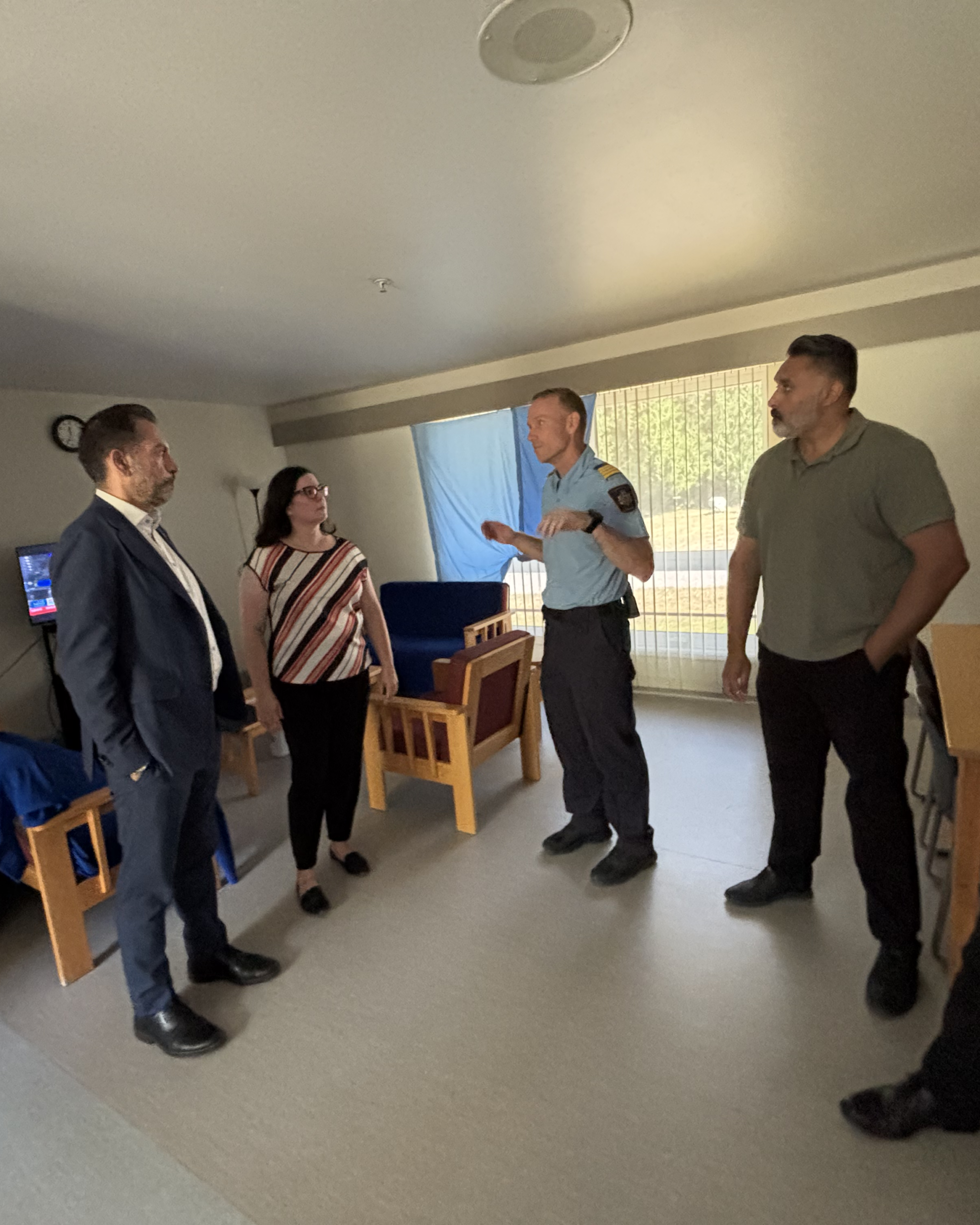
The tour then moved to William Head Institution, where President Neufeld joined the Commissioner for a lunchtime meeting with union members. The warm welcome from staff was greatly appreciated. Discussions with USJE and UCCO representatives provided valuable insight into local challenges, including Parole Officer workload, cuts resulting from the Comprehensive Expenditure Review (CER), and related health and safety concerns. Members also highlighted the high cost of living on Vancouver Island as a significant staffing challenge, particularly as the institution worked to support its full population of 200 inmates.
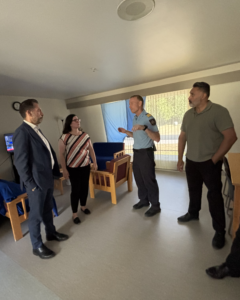
The visit included a meaningful stop at the Salmon House, where Commissioner Dakalbab and President Neufeld met with the Elder and a group of inmates. They also received a comprehensive tour of the institution from local management.
Day 2: Mission Institution and Abbotsford Parole Officer
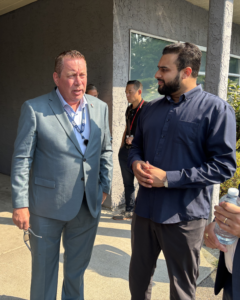
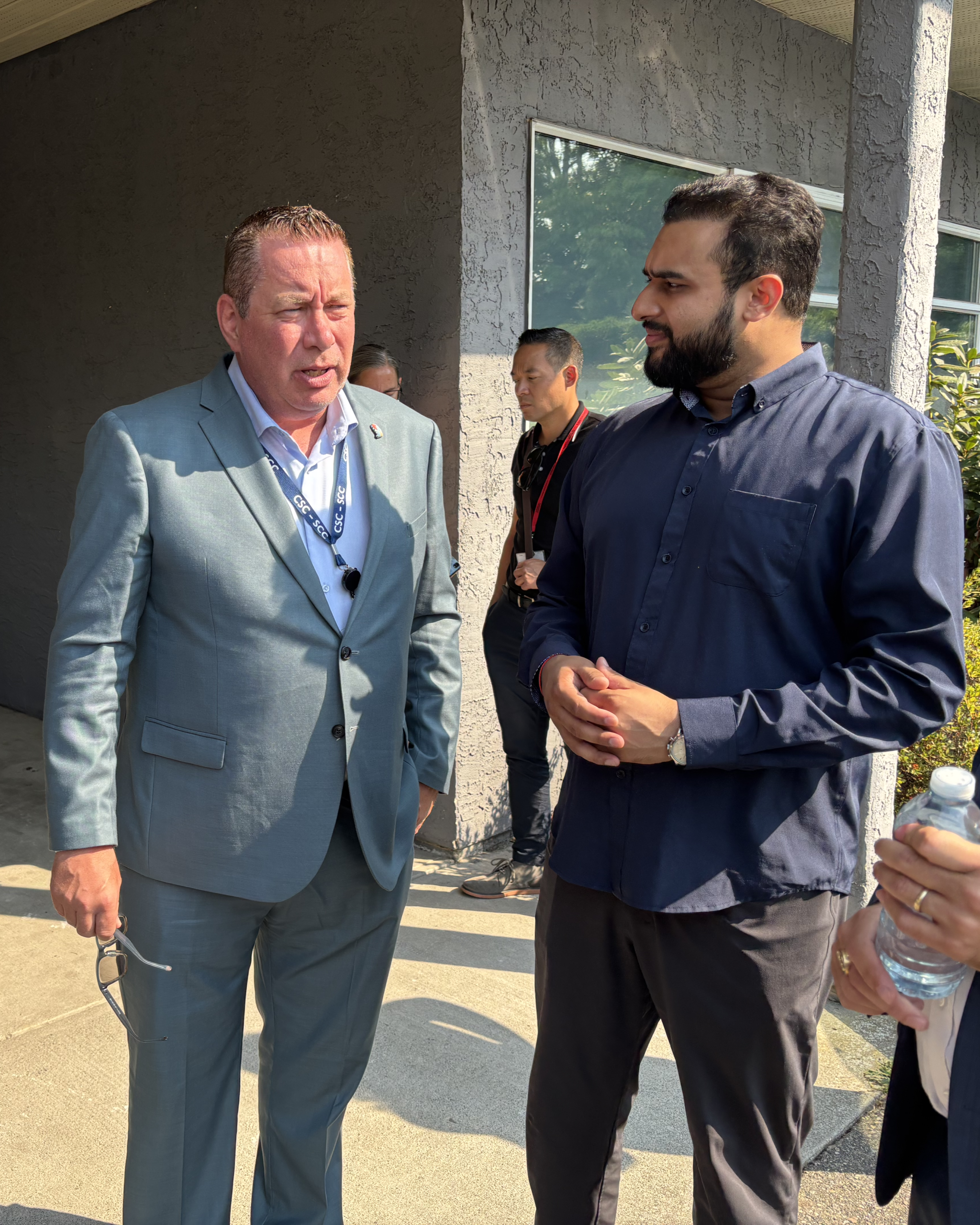
On the morning of August 25th, the tour continued at Mission Institution. The visit began at the minimum-security site, where Commissioner Dakalbab along with Member of Parliament Frank Caputo (Kamloops-Thompson-Cariboo) attended the discussion.
Members raised concerns about reductions to the Programs Officer positions, both before and as part of the CER process. Representatives from Indigenous Initiatives questioned the practice of contracting Elders rather than employing them directly, citing impacts on benefits and holidays. Additional discussion focused on improving support for Indigenous offenders. Commissioner Dakalbab indicated that alternative employment models for Elders are being explored and reaffirmed CSC’s commitment to strengthening services for Indigenous offenders. Members also expressed concerns about changes to food preparation practices and their impact on training opportunities that support offender reintegration.
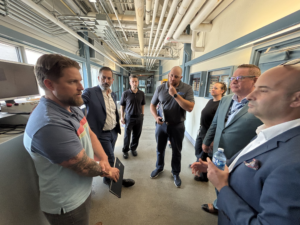
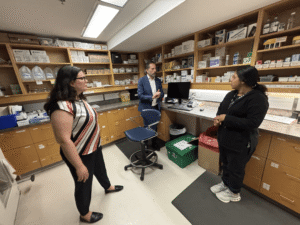
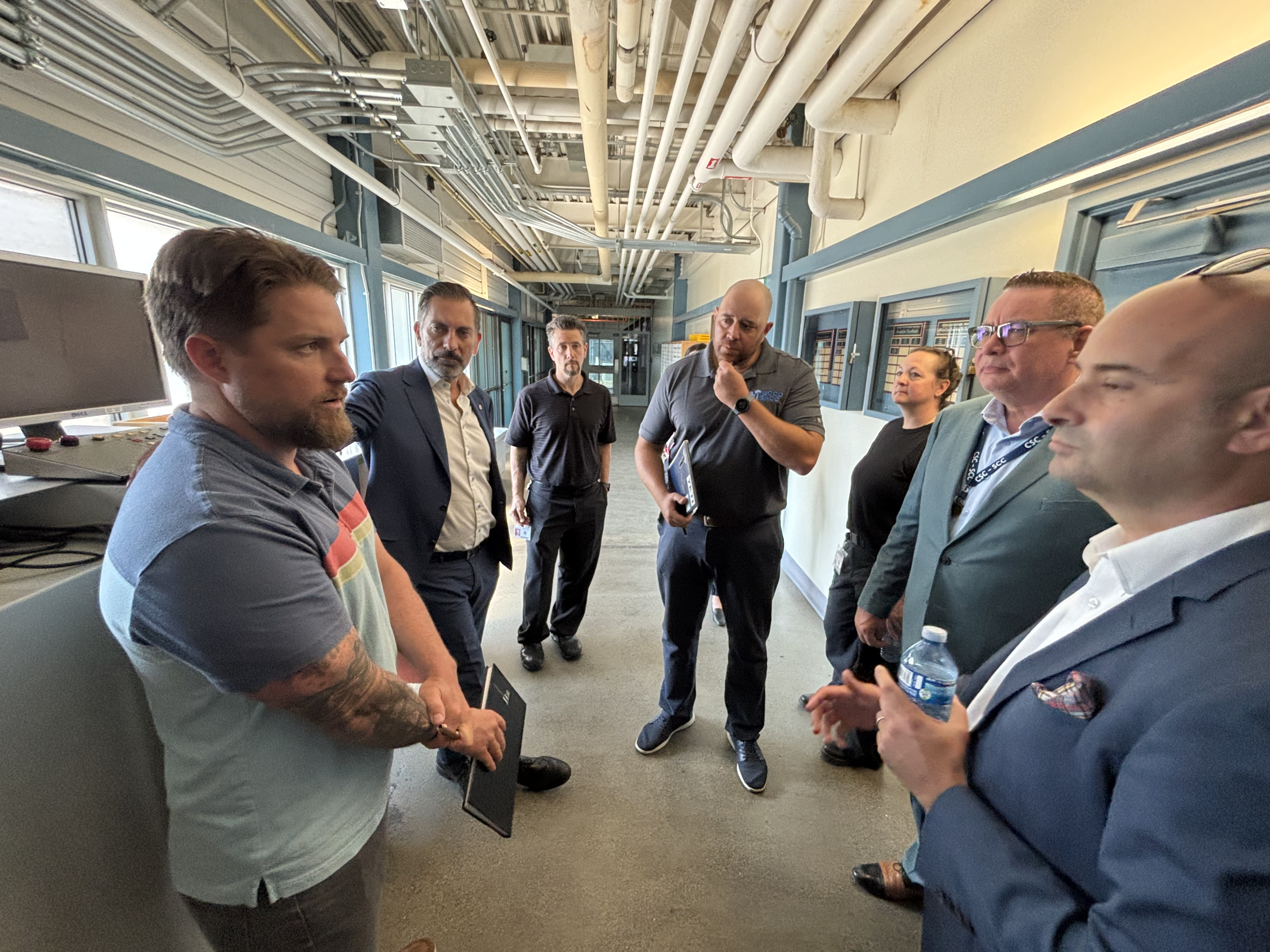
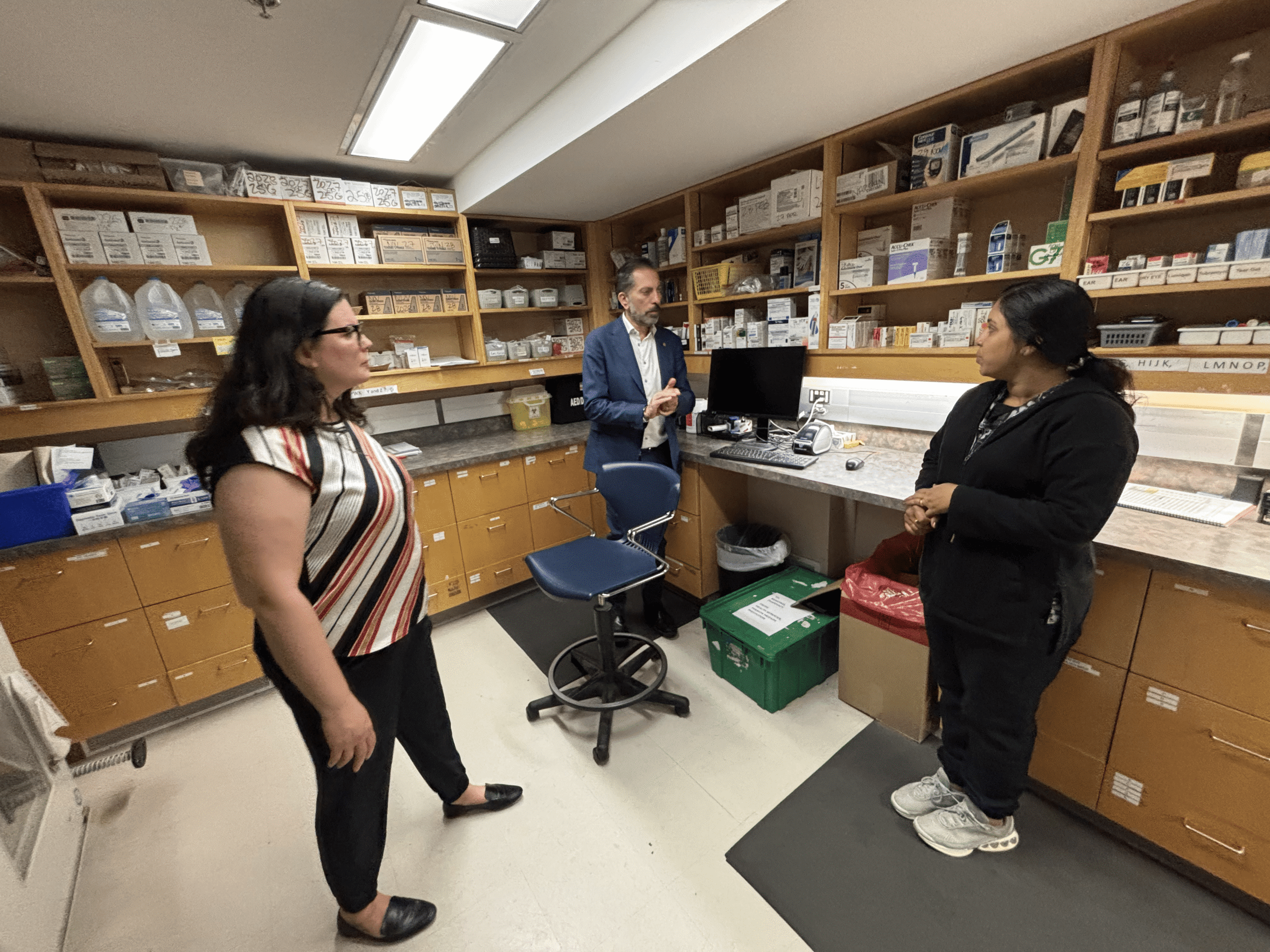
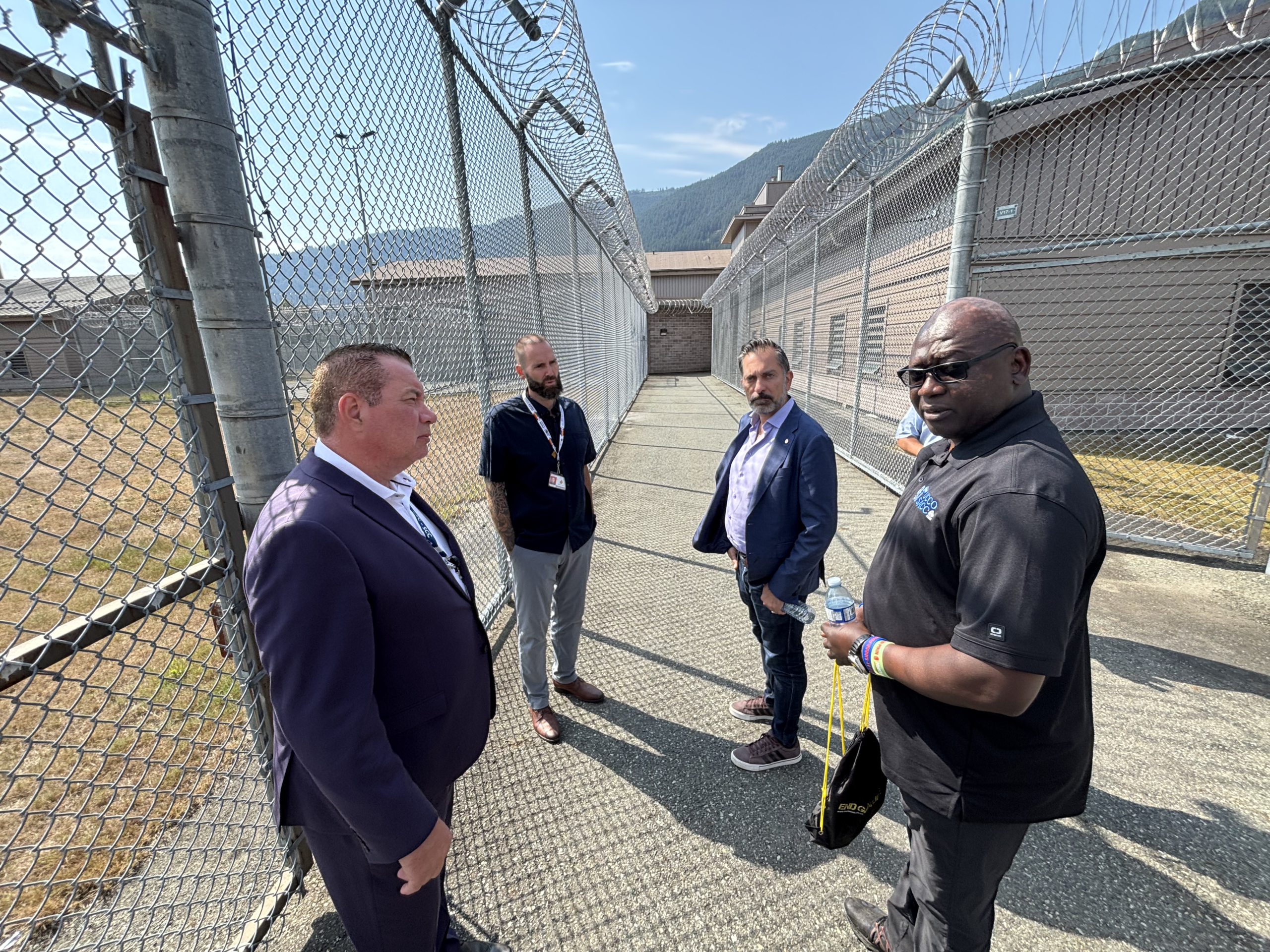
The group then moved to the medium-security institution, where they met with union executives, including USJE Local Presidents Tara Brown (medium) and Alan Otrosina (minimum). The meeting provided an opportunity for frank discussion on local priorities and challenges. A subsequent tour included several units and discussions with staff working in healthcare and interventions.
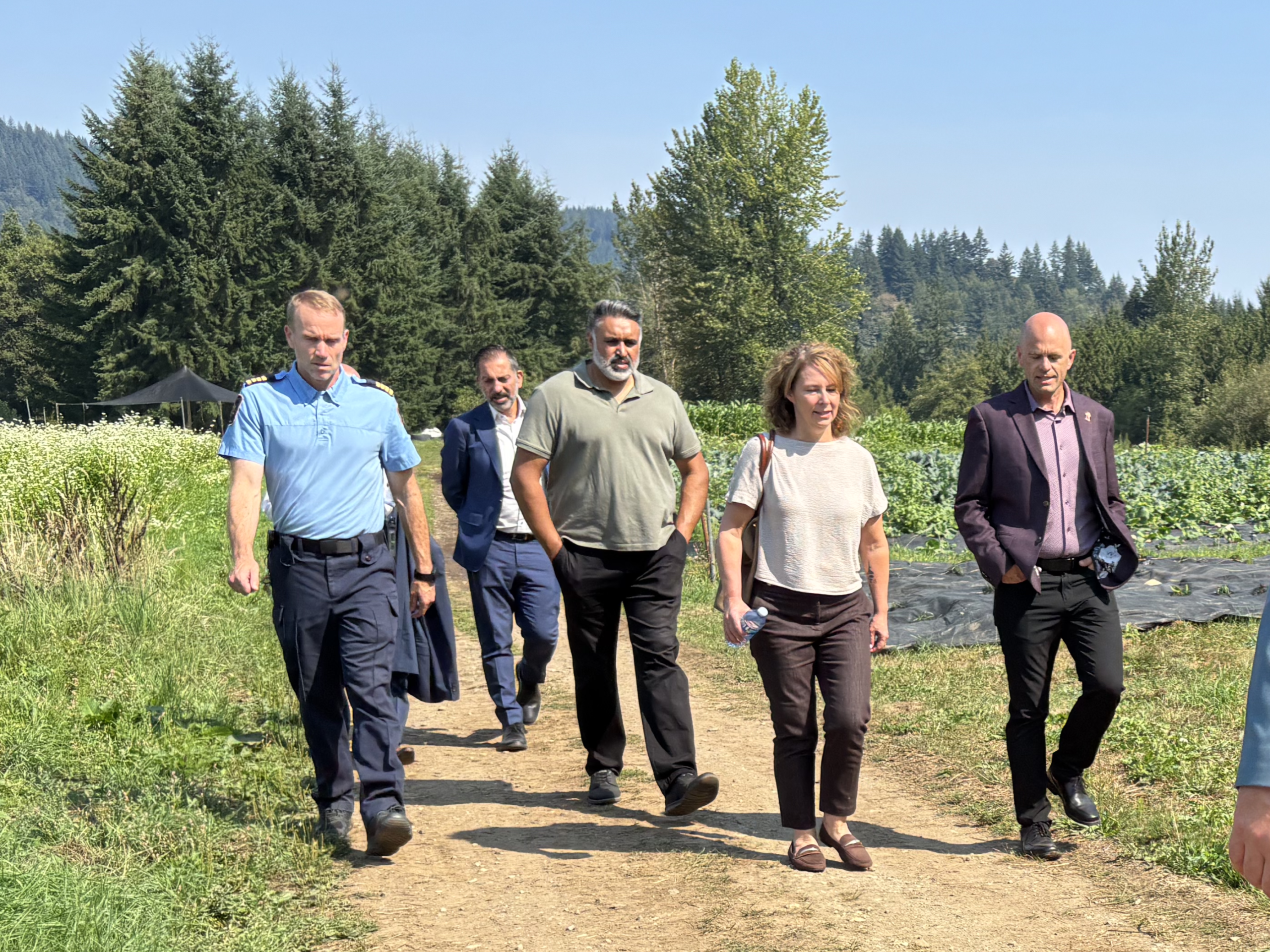
The Mission visit concluded with a tour of the minimum-security site, including living units, intervention areas, and the community garden, which produces a significant quantity of vegetables that are donated locally.
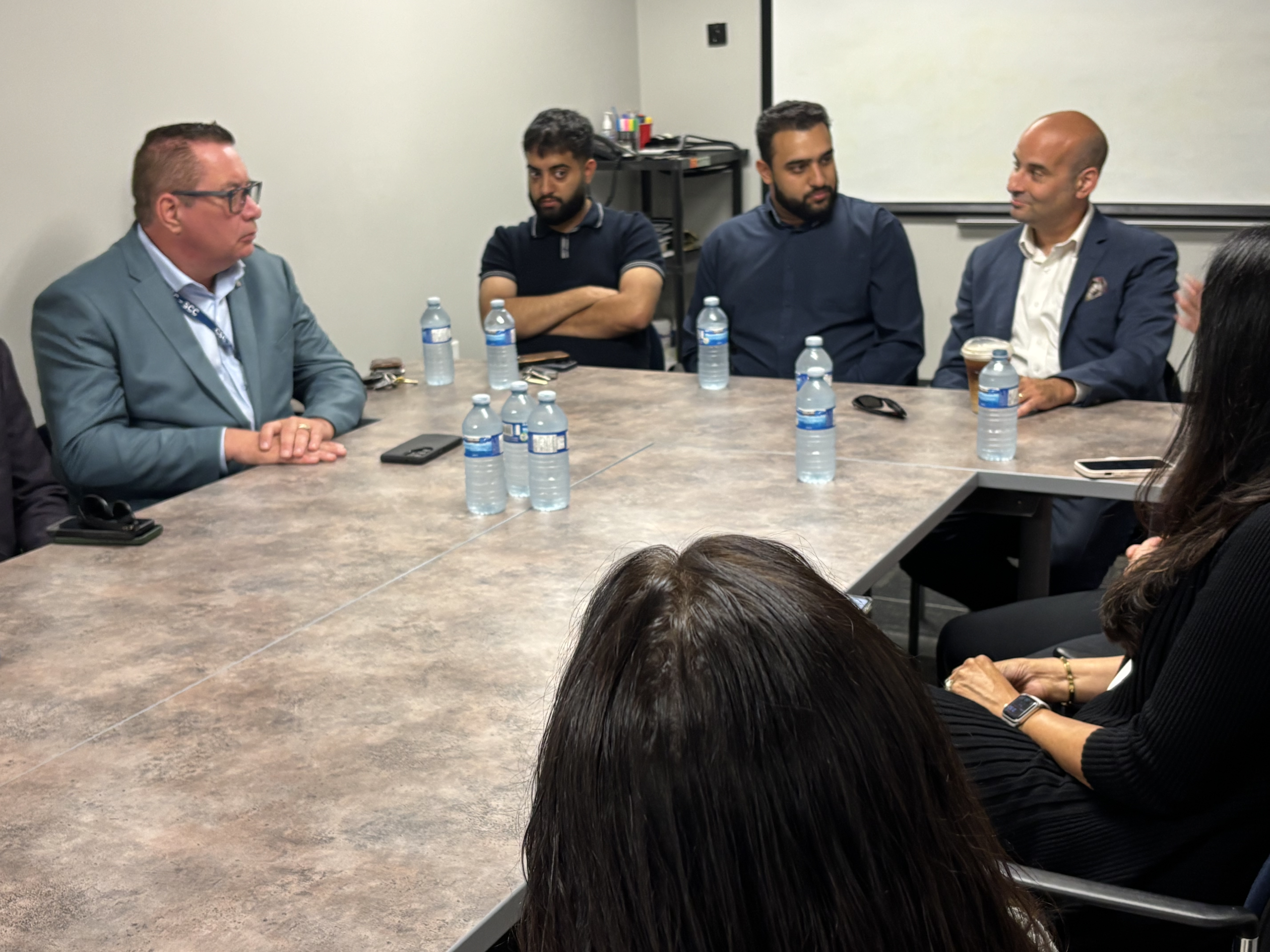
Later that afternoon, the tour continued at the Abbotsford Parole Office. Joined by Local President Morgan Haupt, MP Frank Caputo, and MP Sukhman Gill (Abbortsford-South Langley), participants held a roundtable discussion on many of the same concerns raised elsewhere including CER-related reductions to Program Officer and Community Employment Coordinator Positions.
Additional discussion topics included Indigenous interventions, training quality, and a continued preference for in-person learning across all occupational groups. Members also discussed reinstating the Community Correctional Liaison Officer (CCLO) position, which was eliminated nationally in 2014 under the Deficit Reduction Action Plan (DRAP), as well as the recent loss of a position that supported offenders in obtaining identification prior to release.

Day 3: Mountain and Kent Institutions
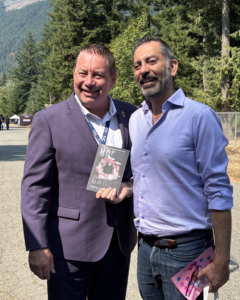
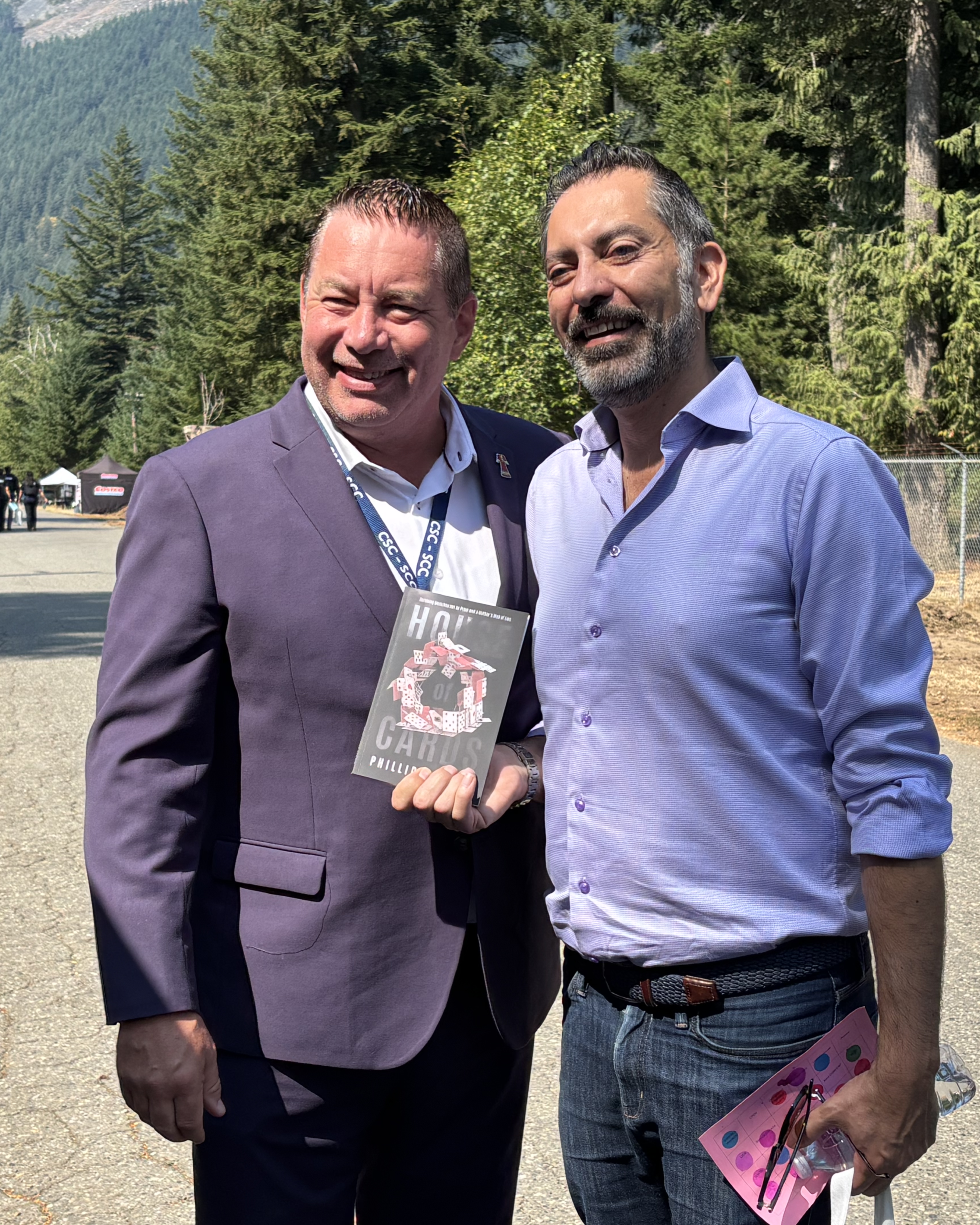
On August 26th, President Neufeld and RVP Havard attended the Mountain and Kent Institutions Wellness Walk and staff BBQ alongside Commissioner Dakalbab and employees from both institutions. Following the event, USJE representatives toured Kent Institution and met with Local President Denyse Hender and representatives from other unions to discuss current workplace challenges.
Significant concerns were raised regarding CER reductions affecting teachers, Correctional Program Officers, and BUS cleaner positions. Both USJE and UCCO representatives voiced concerns about institutional cleanliness and the impact of eliminating BUS positions. Commissioner Dakalbab noted that CSC plans to use contracted cleaning services to help address these concerns. President Neufeld requested further discussions with CSC regarding these issues, both at Kent Institution and at other affected sites across the country.
Commissioner Dakalbab, President Neufeld, and RVP Havard then toured additional areas of Kent Institution, meeting with numerous USJE members and engaging in valuable discussions with frontline staff. Staff also shared insights into the institution’s history and evolving operational challenges.
Questions remain regarding how CER reductions and changes to the Correctional Program Model will affect maximum-security institutions and intervention staff. Local management is committed to providing additional information on how programs will continue to be delivered at Kent Institution. USJE also continues to await official CSC documentation outlining how Correctional Program reductions will be implemented in the months ahead.
USJE would like to thank the many members who participated in these meetings, shared their perspectives, and helped ensure that frontline concerns were heard by Commissioner Dakalbab and his team. A special thank you is also extended to the local executive members who attended, supported their colleagues, and engaged directly in these discussions. Your dedication and ongoing efforts are sincerely appreciated.