
USJE’s National Public Safety Awards recognize and celebrate the outstanding work undertaken by our members across the country. Too often, the crucial work of USJE members happens behind the scenes, out of sight of many Canadians who depend on the commitment and dedication of federal public safety and justice employees to keep them safe.
At an awards ceremony on April 15, 2026, seven USJE members took centre stage in Ottawa to represent our union and the hard work our members accomplish. We applaud their dedication to their colleagues, their communities, and to their fellow Canadians, and we thank them for going to extraordinary lengths every day in their jobs in order to keep all of us safe.
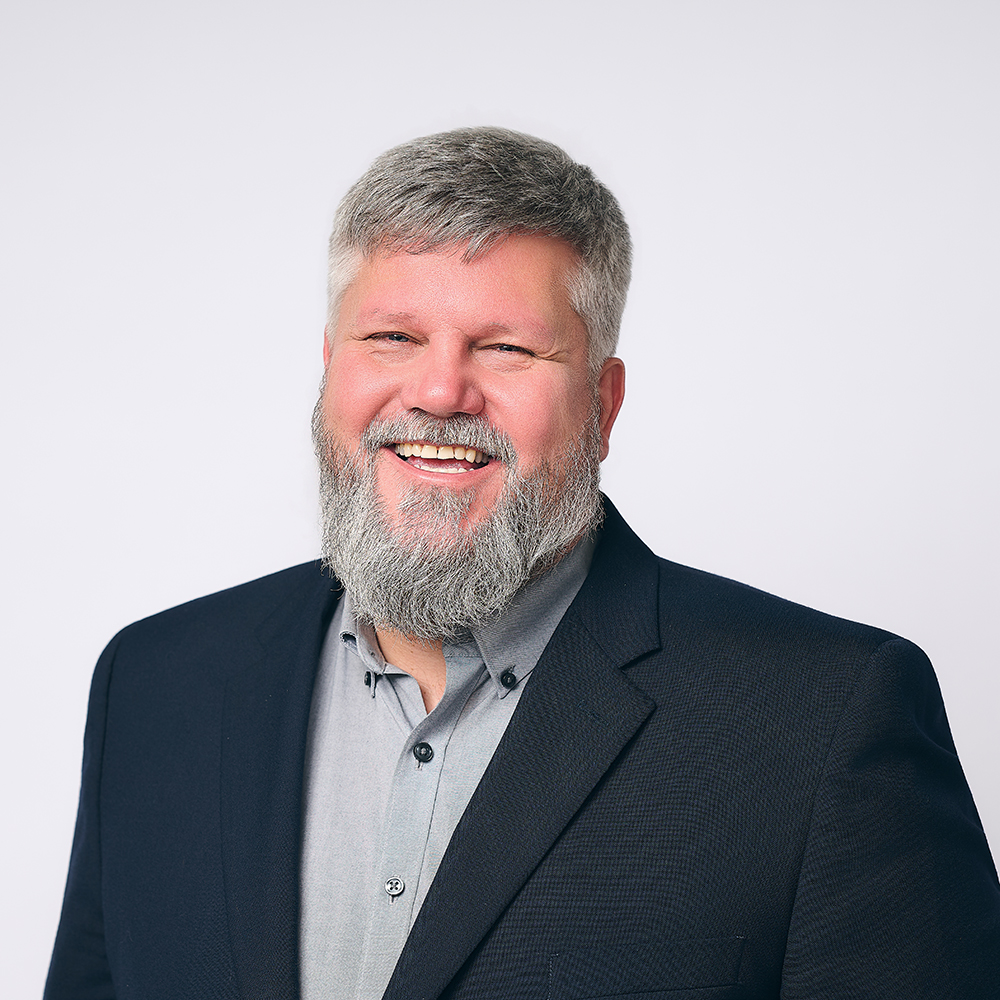
Mike Ashman
Government Operations Centre, Ontario
Mike Ashman has played a key role in strengthening Canada’s emergency management and disaster response efforts through his work at the Government Operations Centre (GOC) for over ten years.
Mike joined Public Safety Canada in 2015 and has served in a variety of roles at the GOC, which coordinates the federal government’s response to national emergencies. Today, he serves as Acting Chief of the Cyclical Event Team, a small group responsible for monitoring and preparing for seasonal hazards such as floods, wildfires, and hurricanes. Working closely with partners such as Natural Resources Canada, Environment and Climate Change Canada, the Canadian Hurricane Centre, as well as the provinces and territories, his team analyzes risks across the country and ensures the federal government is prepared for the seasons ahead.
Mike’s path into emergency management began after completing a master’s degree in physics. He initially worked with the National Research Council and, subsequently joined Transport Canada and later moved into the Disaster Financial Assistance Arrangements (DFAA) program within Public Safety Canada.
At the Centre, Mike has witnessed how the nature of emergency management has evolved. In order to adapt by expanding operations and strengthening coordination across governments.
Throughout his career, Mike has been involved in several major national responses including –
- the resettlement of more than 25,000 Syrian refugees,
- the coordination of the federal response efforts during the COVID-19 pandemic
- supporting the management of asylum seekers
- the 2023 Yellowknife wildfire evacuation
- the Major Events team during preparations for the G7 Summit.
What Mike values most about the work is the people. Emergency management requires long hours and sustained effort during crises, and he credits the dedication of colleagues for making that work possible. Where emergency management once operated in silos, there is now a growing recognition that public safety depends on strong partnerships across the entire federal family.
After more than a decade at the GOC and a long career in the federal public service, Mike plans to retire this August and hopes to spend more time with his wife. With two sons nearing major life milestones—one entering university and the other finishing high school—he hopes to spend more time with his family after years of demanding work that often required long hours and travel.
Looking back on his career, he remains proud of the dedication he has witnessed across Canada’s emergency management community. Whether responding to disasters, coordinating national operations, or working behind the scenes to prepare for the next crisis, Mike believes the strength of Canada’s public safety system lies in the commitment of the people who serve within it.
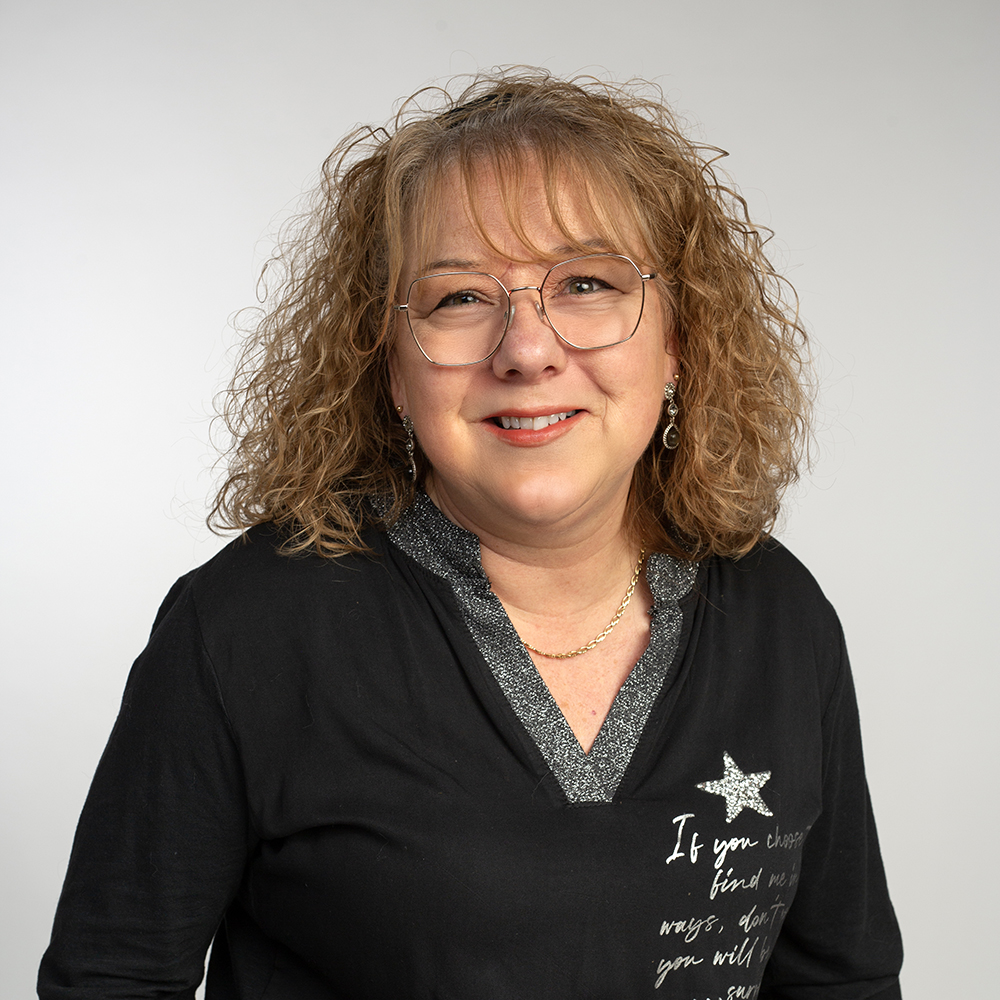
Chantal Blier
CSC, Québec
For nearly 27 years, Chantal Blier has carried out her duties with the Correctional Service of Canada with commitment, professionalism and humanity. After passing all the required exams, she completed her three months of full-time training in corrections at the Staff College in Laval. She graduated in June 1999 and started her career at the Cowansville Establishment as a Correctional Officer 1, assigned to static security.
Ten months later, Chantal was promoted to Correctional Officer 2, working in the inmate living quarters and responsible for a workload of inmates. This assignment gave her the opportunity to develop a human, individualized approach, particularly when accompanying prisoners on temporary escorted absences.
For nearly ten years, Chantal had been actively involved in the Employee Assistance Program (EAP) and the Critical Incident Stress Management (CISM) team, helping to support her colleagues in difficult moments.
In 2006, she won a competition for the position of Social Programs Officer. While working full-time, she attended university part-time, obtaining a bachelor’s degree by “stacking” certificates in psychology of human relations, psychosocial intervention and mental health. This degree enabled Chantal, in 2008, to rise to the position of Correctional Programs Officer, a position that she still holds with passion.
When the Programs Department closed in 2020 due to the COVID-19 pandemic, Chantal and three colleagues took over coordinating a team training offenders assigned to maintenance, establishing preventive measures and tracking statistics. Over the years, she has also been called on to help out in various sectors during emergencies, whether in the kitchen, the laundry or preparing the inmates canteen.
In 2023, Chantal received the Corrections Exemplary Services Medal in recognition of her constant commitment.
In recent years, she’s helped train new employees and led programs conjointly with them, encouraging a transfer of expertise and development of the next generation. She is known for her ease in creating ties, especially with those younger than she. Chantal also participates actively in the life of her department, organizing snacks, with the surpluses used to celebrate departures or maternity leaves.
Today, Chantal is getting ready to take a well-deserved retirement from the Correctional Service of Canada. She plans to start a small business providing occasional services in the community, and she will certainly turn her experience, sense of responsibility and human approach to good use in this new project.
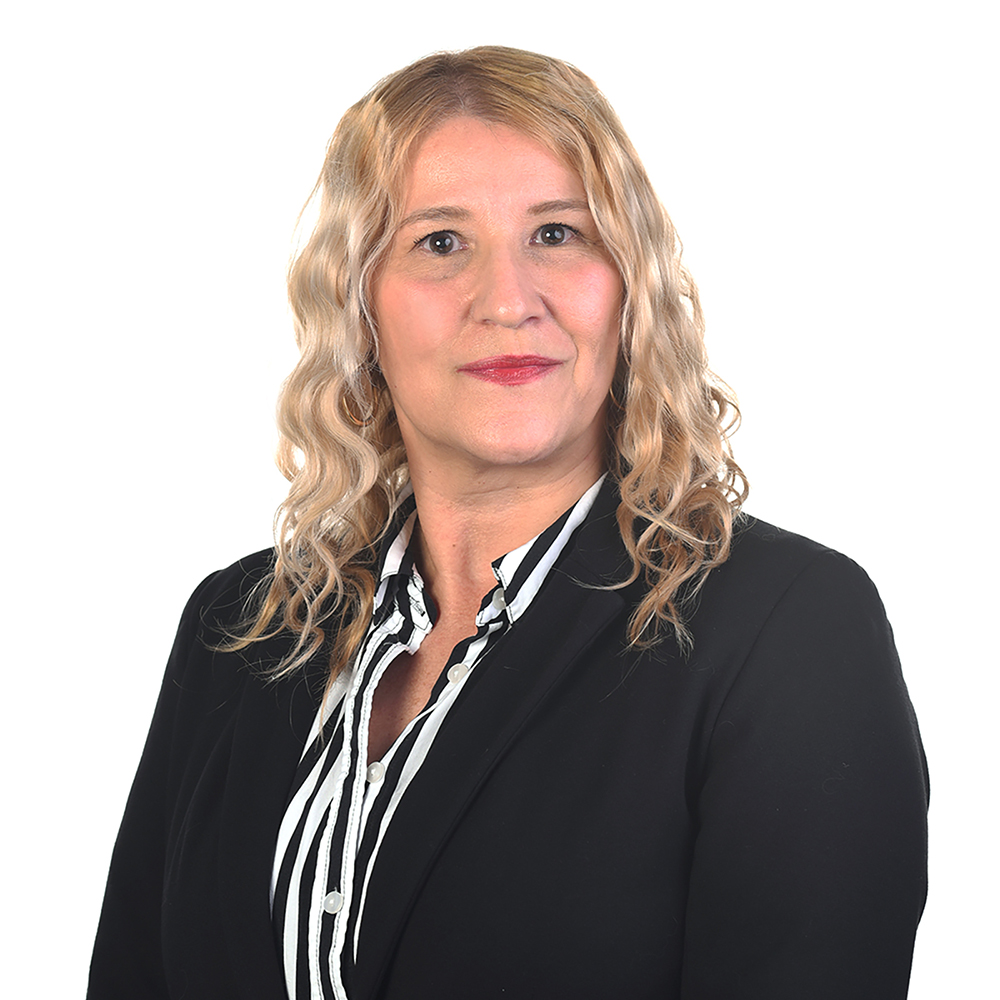
Francine Cadieux
RCMP, Québec
Francine is an essential resource at RCMP “C” Division. With over 26 years in the public service, 21 of them with the RCMP, she is known for her expertise, her collaboration and her commitment to teamwork.
Francine plays a key role in supporting police investigations through the use of the INTELEX system. Her work consists of processing information requests from investigators in various sectors and provinces, thus providing them with essential information for beginning or furthering their research. She collaborates regularly with many external partners, such as police departments and public and private organizations, facilitating access to the information needed for investigations.
Thanks to her central position, she has in-depth knowledge of the cases and partners with which the unit works. This expertise makes her an essential reference for her colleagues. Some of them describe her as “C” Division’s “Rolodex” because of how well she knows the resources, contacts and processes that keep investigations progressing efficiently.
Over the years, Francine has also become a mentor to new employees. She’s always available and generous with her time, coaching newbies and willingly sharing her knowledge with police officers, analysts, assistant investigators and administrative staff.
She has often shown her leadership skills when asked to coordinate the team in the absence of a supervisor. On these occasions, she managed priorities, supported her colleagues and ensured continuity of operations calmly and efficiently, demonstrating the trust that entire unit has in her.
Francine says that what makes her work especially motivating is that each day brings new challenges and new collaborations. She especially values the collective aspect of the work and the opportunity to help her colleagues. She has been passionate about the policing environment and criminal investigations for a long time, and she finds in her role a concrete way to contribute to justice and equity. Outside of work, Francine places great importance on her family. Mother to three sports-minded sons, fond grandmother of five grandchildren, and accompanied by her dog Molly, she succeeds in balancing her family life with extraordinary professional commitment.
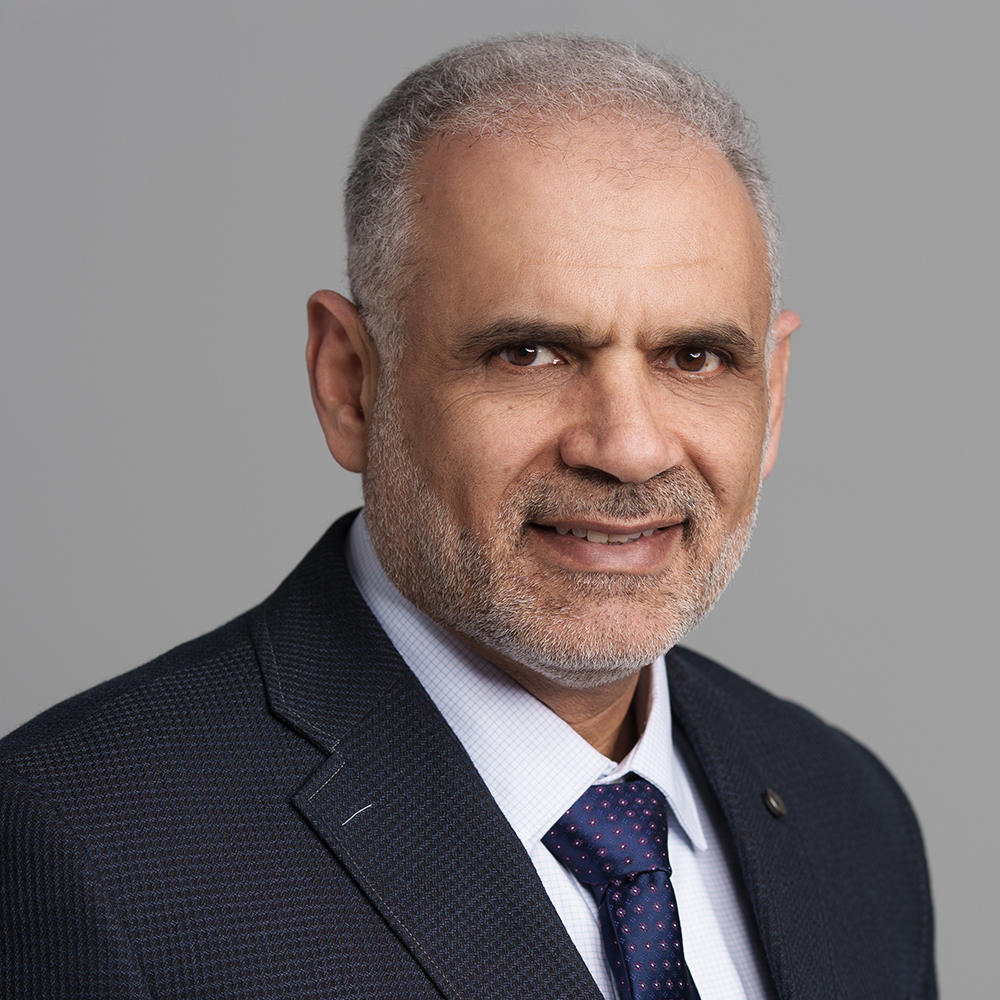
Hatem Mohammad Hammad
CSC, Alberta
For more than fourteen years, Hatem Hammad has worked as an educator with the Correctional Service of Canada at Bowden Institution, helping incarcerated individuals gain the skills and confidence needed to rebuild their lives.
Hatem joined the institution in October 2011 as a teacher and has remained there ever since, dedicating his career to correctional education. During this time, he also served in acting roles as a parole officer, both at Bowden and at the Calgary Community Parole Office, for more than two years. These experiences gave him additional insight into the full continuum of rehabilitation—from education within institutions to reintegration in the community.
Throughout his career, he has been guided by a strong belief in the transformative powers of education. Many of the individuals he works with arrive in custody without a high school diploma and often feel discouraged about their future. By helping them build foundational skills and develop new goals, he strives to show them that there are alternative paths available.
One example that stands out involved an incarcerated individual who initially resisted returning to school. The man had been involved in drug trafficking and believed that education had no place in his future. After several conversations about the broader impact of his actions—including the impact they could have on families and on his own relationship with his daughter—the individual began reconsidering his path. With support and guidance, he completed the requirements for his high school diploma on the very day he was released from the institution. Staff celebrated the milestone with a graduation cap and gown as he walked out the door. Later follow-up confirmed that he had reunited with his daughter and entered an apprenticeship program—a success story that continues to reinforce the value of correctional education.
In fact, Hatem’s commitment to helping others began long before he entered corrections. Early in his career, he worked with individuals with disabilities and special needs in the rehabilitation field. Over time, he moved into education roles within universities and colleges, helping students pursue academic opportunities. While the work was rewarding, he ultimately found that he could make an even greater impact by working in rehabilitation and correctional education, where the need for support and opportunity is often greatest.
His own life journey has also shaped his perspective. He immigrated to Canada with his wife in 1991, beginning their life in Canada together from scratch. After completing additional studies in rehabilitation and education—including a master’s degree in education—he built a career focused on helping others overcome barriers and achieve their potential.
Outside of his professional work, he remains deeply connected to his family and community. He and his wife have raised four children—three daughters and a son—and are now proud grandparents to eight grandchildren.
He also pursues a number of personal interests that reflect his lifelong curiosity and dedication to learning. A self-taught musician, he plays both the violin and a traditional Middle Eastern instrument. During the summer months, he maintains several beehives, an activity he values for its environmental and agricultural contributions.
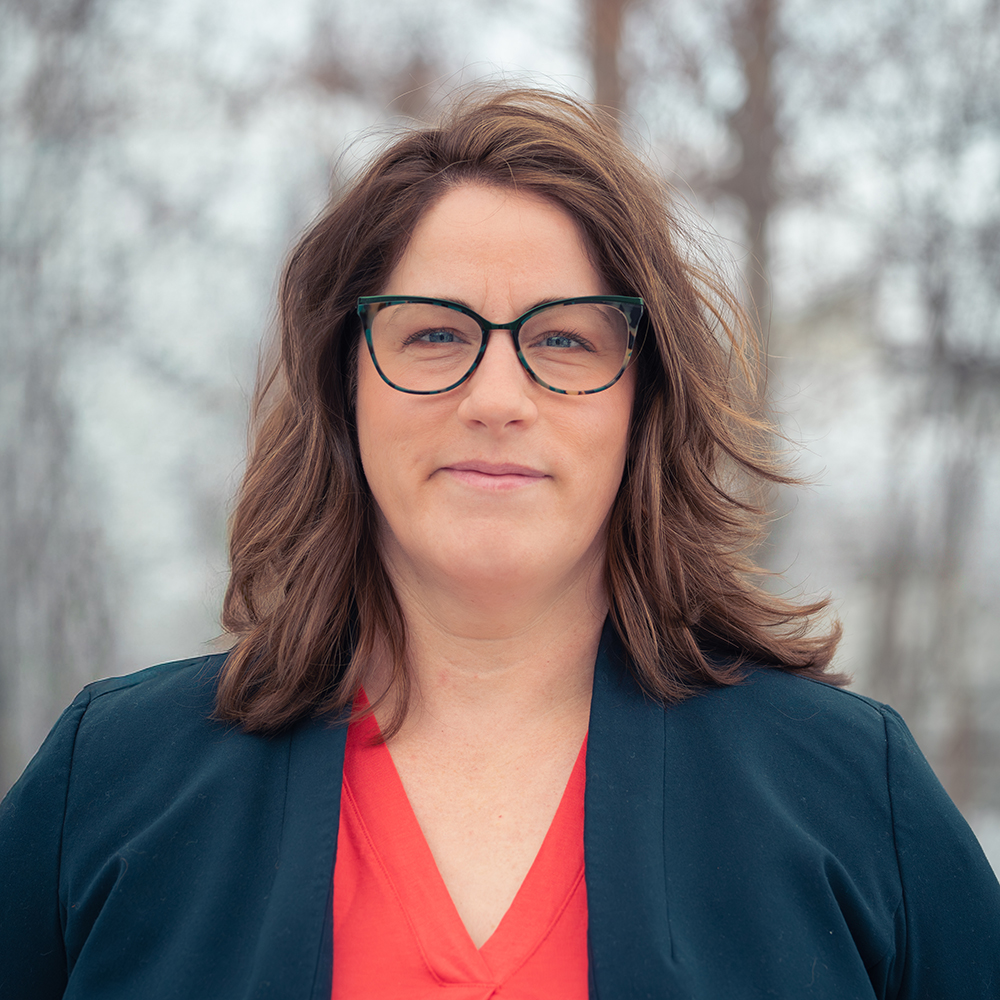
Kristy McDougall
RCMP, Saskatchewan
Kristy McDougall began her career with the RCMP as a Detachment Services Assistant (DSA) in La Ronge, Saskatchewan, a role she held for more than twenty-one years. Air Ronge — her home community — has always been central to her work. What began as a short move to the area for a temporary opportunity quickly turned into a long-term career supporting policing operations in northern Saskatchewan.
As a DSA, Kristy served as a critical operational support resource for frontline officers. In rural and remote communities where officers often arrive from across the country, DSAs provide essential local knowledge, build relationships with community partners, and help ensure officers can respond effectively to complex situations.
On any given day, her work could involve coordinating resources after a major incident, connecting with local leadership, assisting with court and investigative processes, or helping ensure the wellbeing of staff following traumatic events.
In recent years, she stepped into a leadership role as part of the RCMP’s Detachment Services Assistant District Management Team pilot project in Saskatchewan’s “F” Division. Alongside a colleague, she helped launch the initiative in 2022 to identify the long-standing issues affecting DSAs across Saskatchewan and develop solutions to address them.
Over the course of the pilot project, Kristy and her counterpart worked closely with 113 detachments across Saskatchewan to address key challenges related to training, operational consistency, mental health support, and workload management.
The initiative has contributed to a significant cultural shift within the division by providing DSAs with clearer guidance, consistent answers, and a stronger network of support. For many employees, it has meant having someone they can turn to when challenges arise. In recognition of their leadership and impact, Kristy and her counterpart received the Saskatchewan Association of Chiefs of Police Leadership Award in 2024 for their positive impact on policing operations and public safety.
Throughout her career, Kristy has also remained deeply involved in her community. She previously served as a village councillor and deputy mayor of Air Ronge. Her volunteer work speaks for itself—as chair of Northern Sport Culture and Recreation, sitting on the Kidsport board, volunteering with the SJHL La Ronge Ice Wolves as a billet parent, and helping establish organizations such as Northern Animal Rescue and the Teen Girls Wellness Group.
She is also the recipient of the Queen Elizabeth II Platinum Jubilee Medal and other regional leadership awards. Kristy credits the support of her family—including her husband and daughter—as well as the encouragement she has received from colleagues and her union for helping her navigate the challenges and responsibilities of her career.

Michelle Martin
CSC, Nova Scotia
What began as a chance job posting ultimately grew into nearly two decades of dedicated service to public safety.
In 2007, after working in the non-profit sector as a counsellor supporting people with disabilities, Michelle Martin was browsing job postings when she came across an advertisement for a “Primary Worker” position at Nova Institution for Women in Truro, Nova Scotia. The required training was a grueling 16-week-long course but the leap of faith paid off, as Michelle graduated class valedictorian in 2007! She began her first shift the very next day in maximum-security segregation at Nova Institution for Women.
Michelle spent the next decade working within the Nova Institution for Women, gaining extensive frontline experience and developing a deep understanding of correctional work in the federal system. In 2017, Michelle was offered a term position as a Parole Officer and subsequently became a permanent employee, transitioning into community corrections—a role she continues to hold today.
Beyond her daily responsibilities, Michelle has made significant contributions to training and crisis preparedness within the Correctional Service of Canada. She is one of only five national trainers for Crisis Negotiation, helping prepare staff across the country to respond to some of the most high-risk situations in federal corrections, including riots and hostage situations.
The program involves a rigorous selection process followed by eight days of intensive in-person training. As a trainer, she takes this responsibility seriously—ensuring that every participant meets the standard required to safely manage critical incidents within institutions.
Nearly twenty years after first entering federal corrections, Michelle still finds meaning in the work. One case in particular stands out: a federal offender she supervised who had extensive gang involvement was able to turn his life around and regain custody of his daughter. Success stories like these don’t happen every day, but they serve as powerful reminders of the impact Parole Officers can have on people’s lives.
Michelle has also contributed to several other training initiatives, including Parole Officer Continuous Development (POCD), institutional readiness programs, and is currently preparing to become a Joint Learning Program (JLP) facilitator.
As a proud union leader, workplace wellbeing is another area where Michelle Martin has demonstrated strong leadership. Having personally experienced a workplace violence incident earlier in her career, she has become a tireless advocate for psychological safety in the workplace. She encourages colleagues to document incidents, access available supports, and seek assistance when needed.
Outside of her professional responsibilities, Michelle dedicates significant time each year to volunteering with Northern Youth Abroad (NWA), a program that connects youth from northern communities with host families across Canada. Since 2018, she has served as a host family for participants from underprivileged northern communities, welcoming youth into her home for five-week placements each summer.
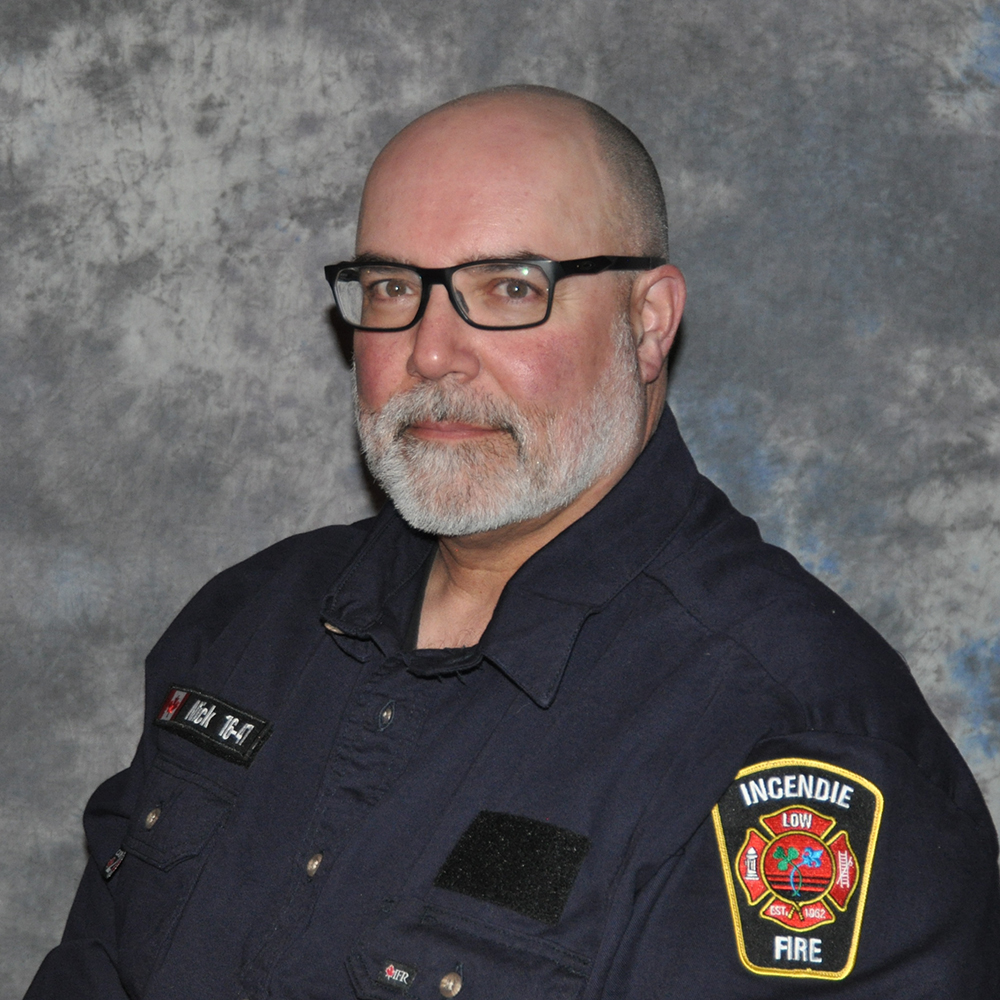
Nicholas Tilgner
RCMP, Québec
Nicholas Tilgner has dedicated his career to public safety, bringing a uniquely diverse background in emergency response, aviation, medicine, and firearms safety to his work with the Royal Canadian Mounted Police.
He joined the RCMP seven years ago and currently works within the firearms investigative service. In this position, he contributes to ensuring that law enforcement officers and government personnel are equipped to safely manage and respond to complex and emerging threats. His work supports the broader efforts of RCMP experts who provide technical guidance on firearms safety and handling across government operations.
Nicholas’ approach to the role is shaped by a remarkably varied professional background. Before joining the RCMP, he served as a Royal Canadian Air Force Pilot, worked as a paramedic, firefighter, safety instructor, and advanced rescue specialist, and held leadership roles in emergency medicine, including serving as a director of emergency medical services in northern Canada.
These experiences have given him a deep understanding of crisis management and emergency response, as well as the ability to anticipate operational challenges and develop practical solutions in high-pressure environments.
His medical background continues to influence his work today. After joining the RCMP, Nicholas introduced traumatic bleeding intervention training for staff, expanding upon standard first aid training to ensure employees are better prepared to respond to serious injuries. Certified through the American College of Surgeons in traumatic bleeding control, he has helped train colleagues to respond effectively to severe injuries in critical situations.
Within his team, Nicholas values the diversity of experience that each member brings to the workplace. While some colleagues specialize in modern technologies and equipment, he brings a unique perspective rooted in historical knowledge, operational experience, and emergency response. Together, these complementary skill sets allow the team to provide effective guidance on firearms safety
Nicholas is also committed to mentorship and knowledge-sharing. With many members of his team significantly earlier in their careers, he often shares lessons drawn from decades of experience across multiple emergency services professions.
Beyond his operational work, Nicholas is also engaged in broader public policy conversations around emergency response and community resilience. Drawing on his experience as a volunteer first responder in rural communities, he has advocated for new leave provisions that would allow employees in federally regulated industries to respond to local emergencies—such as fires or floods—without risking their employment. The proposal reflects his belief that strong communities depend on the willingness and ability of trained individuals to step forward when disasters occur.
Across his career, Nicholas’ work has been guided by a simple principle: public safety is strengthened when expertise, collaboration, and community service come together. Whether training colleagues, responding to emergencies, or contributing to policy discussions, he continues to bring that commitment to every aspect of his work.